
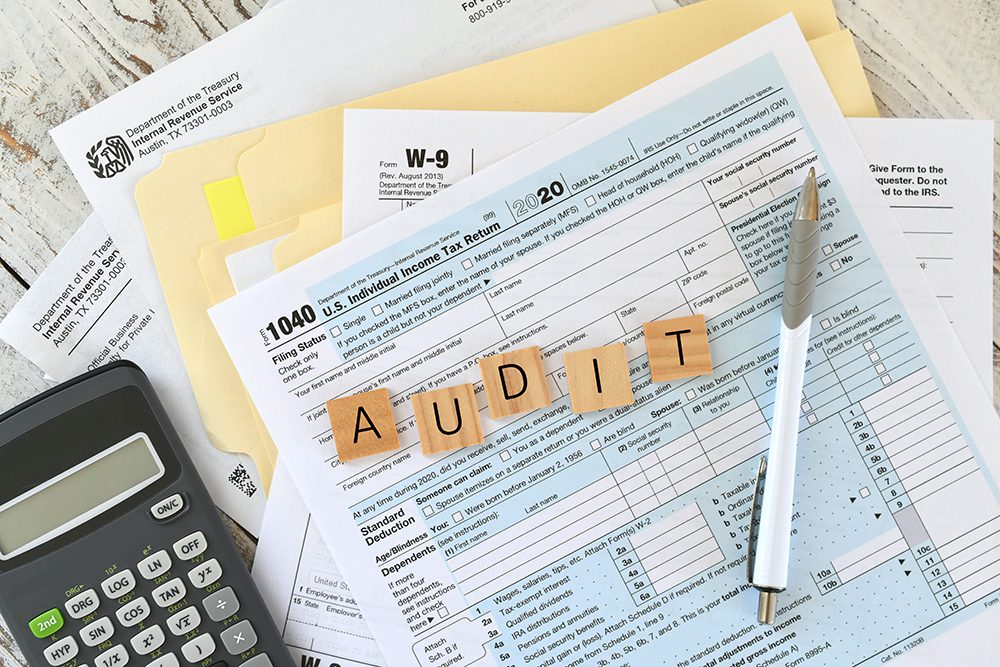
It can be quite a hassle and a financial burden to go through the insurance audit process. However, with the use of the right strategies, it can be made much easier and less time-consuming. In this blog, we'll discuss four practices to help you save time and money during your insurance audit process. From recording work done by employees to obtaining certificates of liability insurance, these tips will help you get your audit done on time and efficiently!
What is an audit?
An audit is a process of evaluating and verifying the accuracy of financial statements. It is a critical step in safeguarding your company's financial health and preventing future legal issues. A correctly performed audit can help protect your business from future financial risks and safeguard its reputation. Therefore, ensure a qualified auditor audits your financial statements regularly to maintain compliance with all applicable laws and regulations.
1. Maintain records
Insurance audit processes can be time-consuming and costly. To make the process as smooth as possible for everyone involved, it's essential to follow a few practices. For starters, make sure you keep accurate records of all work done by employees. This includes dates, times, and details of the work done. Additionally, make sure employee performance reviews are performed regularly to track their progress and ensure quality performance. If any employees have any queries or complaints about their treatment during the audit process, be prepared to address them. Additionally, send out reminders for upcoming deadlines so that everyone is aware of the audit process and knows what to do. By following these steps, you can save time and money while ensuring a smooth insurance audit process.
2. Obtain liability insurance certificates
An insurance audit can be time-consuming and a costly process for both the company and its customers. To avoid any hiccups and ensure a smooth audit process, it's crucial to have a current copy of all policy documents and complete it appropriately. Additionally, ensure to obtain liability insurance certificates to prove that the company is insured and can proceed with the audit process. By doing this, everyone could benefit - the company will be able to proceed with the audit without any hesitation, and the customers will be able to receive the protection they need from the insurance company.
3. Complete your audit on time
Time is of the essence, especially when you are in the midst of completing an insurance audit. By following these practices, you'll be able to complete your audit on time and save yourself a lot of stress and hassle. First and foremost, list all the documents and information you'll need to bring with you. This can aid in speeding up the process and save you time along the way. Next, make copies of everything before you leave - this will help ensure accuracy during the audit process. Finally, schedule your audit in advance so you know when it will take place. These simple steps will help you complete your audit swiftly and with minimal hassle.
4. Keep in touch with your agent
During an insurance audit process, it's crucial to stay in touch with your agent. This way, you can ensure a smooth process and avoid unnecessary delays. Your agent can respond to your inquiries quickly by setting up a meeting or phone call once you have them. Additionally, keep all documentation related to the policy, like receipts, in one place so you don't have to shuffle between your agent and insurer multiple times. You can also save a ton of time on travel and other associated costs by using a communication tool available online. With these practices in mind, you'll be able to run your insurance audit smoothly and save time and money!
The insurance audit process can be time-consuming but following these 4 practices can help you save time and money. By recording the work done by employees and other relevant details, you can easily verify the accuracy of the audit. Obtaining liability insurance certificates will help reduce the risk of claims during the audit process. Finally, keep in touch with your agent to stay updated on changes in the policy and ensure that the process goes on without any hassles.