Finding home insurance can be challenging if you own a home in a high-risk area. However, securing home insurance for high-risk properties is essential to protecting your home and assets. This blog will discuss some tips for obtaining home insurance for high-risk properties. Read this blog and learn more about protecting your high-risk property.
- Understand High-Risk Properties
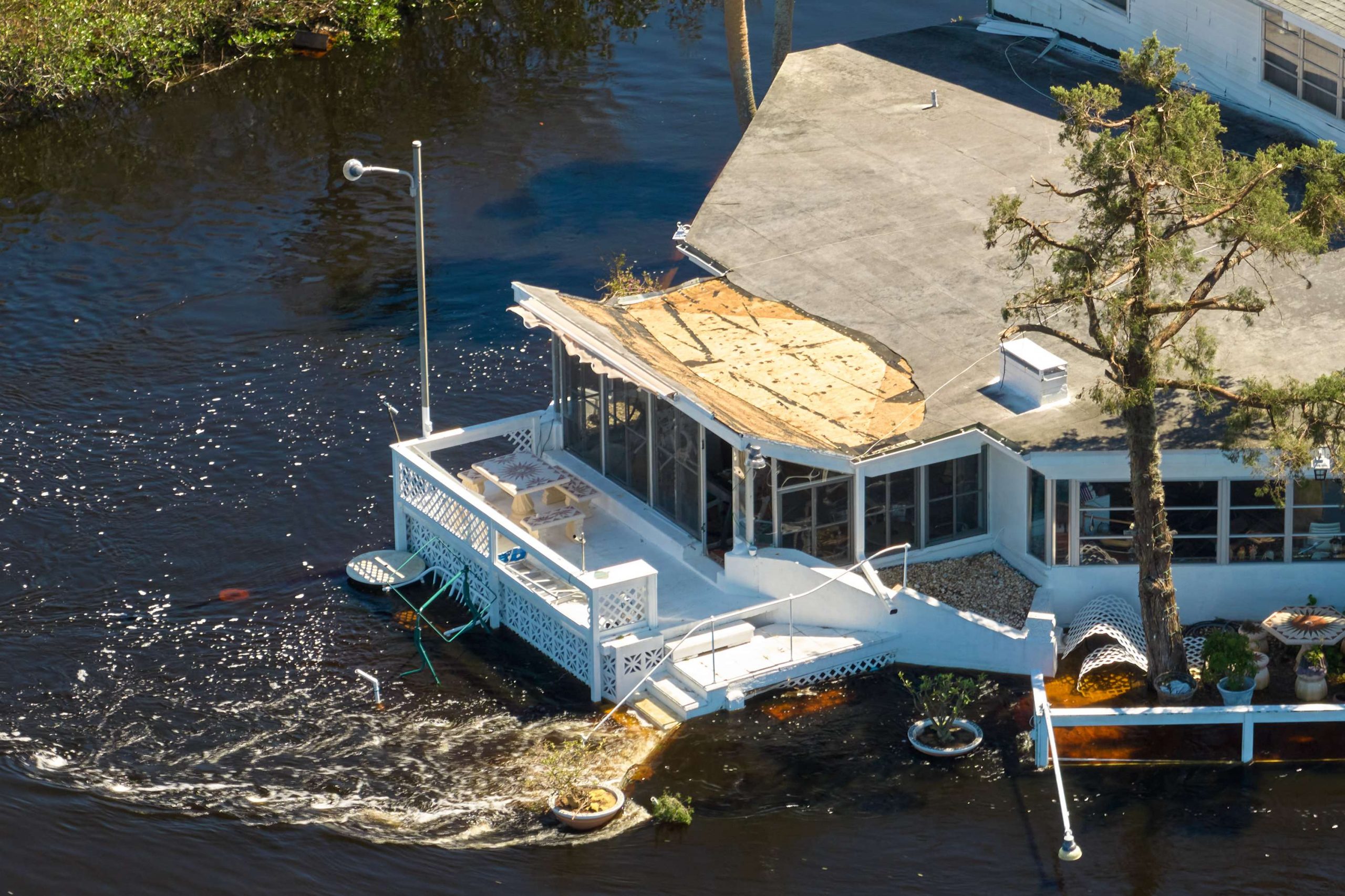
Natural or artificial hazards make high-risk properties more susceptible to damage or loss. These include homes in flood zones, wildfire-prone areas, or areas prone to severe weather like hurricanes or tornadoes. Understanding the specific risks associated with your property and taking steps to mitigate those risks is essential.
- Do adequate research for your Coverage
Finding home insurance for high-risk properties can be challenging, as many insurance companies may be hesitant to provide coverage for these properties. However, adequate research is essential to finding the best coverage for your needs. Comparing rates from different companies ensures you get the best deal.
- Understand Coverage Limits
Home insurance policies for high-risk properties typically have lower coverage limits than standard policies. Your coverage may be limited, and you may have to pay more out-of-pocket if you need to make a claim. Be sure to understand the coverage limits of your policy and take steps to increase your coverage if necessary.
- Mitigate Risks
To reduce the risks associated with your high-risk property, it's essential to mitigate them. Installing safety features such as smoke detectors or sprinkler systems, or making massive reforms to your home to make it more resistant to damage, may be included. Additionally, it's crucial to maintain your property and keep it in good condition. This can help to lower your insurance costs and reduce your risk of damage or loss.
- Additional coverage options
Many insurance providers have other options for high-risk properties, such as flood insurance or windstorm coverage. These options can fill any gaps in coverage that a standard home insurance policy may leave. Make sure to review all the additional coverage options available and consider adding them to your policy.
- Understand the claims process
With high-risk properties, the claims process can be more complex and time-consuming. Understand the process and have all the necessary documentation ready. This helps speed up the process and ensure you receive the coverage you need.
- Consider Bundling Policies:
Bundling your home insurance policy with other types of insurance, such as auto or umbrella insurance, can often result in discounts and cost savings. Additionally, it can make managing your insurance coverage more streamlined and efficient.
- Work with a Specialist
Consider working with a specialist insurance agent who has experience working with high-risk properties. They can provide expert advice on protecting your property and guide you through finding the proper coverage.
- Take Advantage of Discounts
Many insurance providers offer discounts for high-risk properties that take steps to reduce their risk. For example, if you install a security system or storm shutters, you may be eligible for discounts on your insurance premium. Be sure to ask your insurance provider about any available discounts.
- Consider a High-Deductible Policy
A high-deductible policy means you will be responsible for paying a higher portion of the cost of a claim before your insurance coverage kicks in. While this can result in higher out-of-pocket costs, it can also mean lower overall premiums. Consider whether a high-deductible policy is a good fit for your needs.
In conclusion, securing home insurance for high-risk properties can be challenging, but it's possible. Remember to review your policy regularly, be prepared for any event, and know your rights as a policyholder. We hope this blog has provided helpful information and a better understanding of securing home insurance for high-risk properties. Don't hesitate to take action and start protecting your property today. Contact an insurance agent, or compare rates and coverage options to find the best policy for your needs.